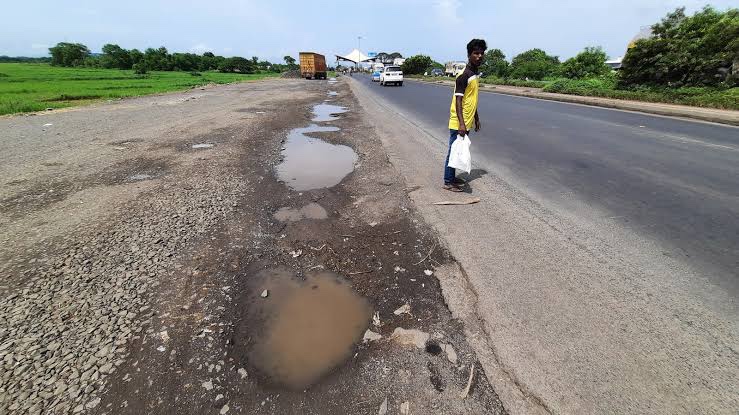
In my native town of Jalgaon, Maharashtra, dust fills the air and lungs of schoolchildren as the tires of cars, rickshaws, and mopeds kick up the dirt of unfinished roads behind them. Gullies riddled with holes are lined with buildings permanently under construction, and pedestrians traverse piles of rubble on every street corner. Looking at pictures of urban areas in India, one might wonder which army caused so much devastation, but this stifled development was brought on by inefficient policies, a lack of planning, and corruption of developers and local government officials.
Five years ago, the Jalgaon municipality started work on a pipeline. They only got as far as carving deep holes across town before abandoning the project completely. The stagnant state of Jalgaon’s roads have become a bit of a running joke among the people, as they are helpless to fixing the problem. Unfortunately, this is just one instance in a larger pattern of systemic and structural failure in India. Just last month a suspension bridge collapsed in Morbi, Gujarat, killing an estimated 135 people, including schoolchildren, migrant workers, and families gathered for Diwali celebrations.
In the 7 months prior to its collapse, the bridge in Morbi had been closed for renovations. The collapse occurred a mere 4 days after its reopening, during festivities for which hundreds had bought tickets and gathered. This disaster could have been avoided had there been proper care and attention from the Gujurati authorities, but it is currently unclear why the bridge was reopened without a “fitness certificate”, or why so many people were allowed on the bridge at once.
India has a history of catastrophic structural failures with mass deaths. In 2013, a bridge collapsed under similar circumstances in Madhya Pradesh, causing a death toll of 100. Unfinished overpasses in Gujarat and Kerala collapsed in 2014 and 2016, respectively. In Maharashtra, the collapse of a British-era bridge killed 42 people.
In the end, the ones that pay the price are the common man and the under-protected populations. If it’s not from catastrophic failure, their physical and financial well-being are constantly jeopardized by poor air quality, dangerous roads, or lack of access to water and transportation systems.
Sources:
oral histories
 Earth to Saniya